Thursday, March 21, 2013

REFLECTION

1) What did you enjoy most about this project and why?

  • The most enjoyable task for me was to record my rap about the Earthquake. It was really fun for me because it was my first time and I learned it's not a easy work but it's fun also! 
2) What was most challenging for you during the project and why?

  • The most challenging work for me was to finish recording my rap and edit it. It was a bad experience and very hard because it was ironic. I was expecting something else but what happened was the opposite of that. 
3) What new skills did you learn from the doing this project? 
  • I learned about the convection current lab. I know how to do that and I also develop some skills of imovie by recording my rap. 
4) Is there anything that you could have done to improve any of your work? Explain. 
  • I would improve my rap and make it very better. Right now we record the song in three different place so the voice is going up and down. I would also take help from my friend to help me record my rap and edit it a little. 
5) What would you change about this project? 
  • I would change my presentation and make it more creative. Also the time because if we have more time we can make someone understand more easily. 

Pictures

THEORY OF PLATE TECTONICS

 THEORY OF PLATE TECTONICS

Critical Thinking Question

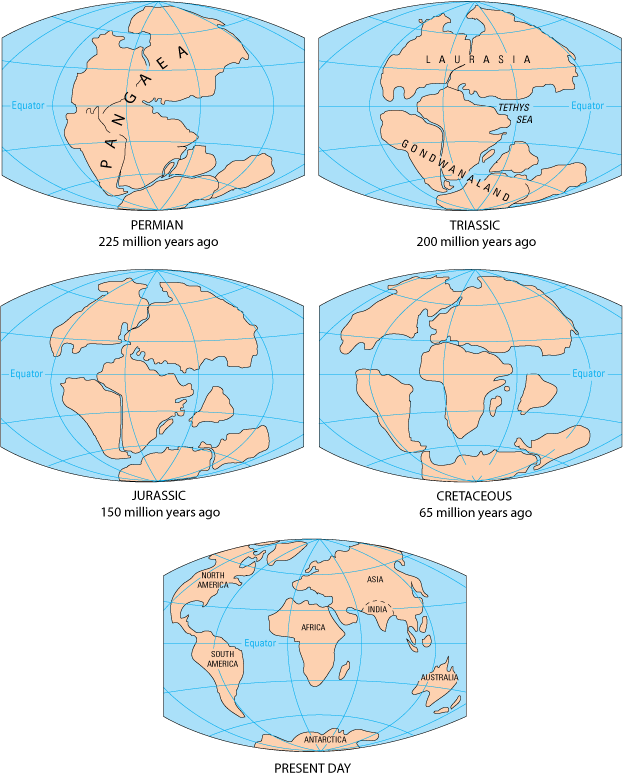
Theory of plate tectonics is a scientific theory that shows the movement of the earth's lithosphere. In other words is that our solid land is moving very slowly that makes almost impossible to notice. This theory is agreeable because every year our land (lithosphere) is moving about three inches and we have lots of evidence. The three biggest evidence are: Continental Drift, Convection Current, and Plate Boundaries.  Continental Drift was predicted by the Alfred Lothar Wegener  a German researcher. He believed that the plate of the earth moves every year.  We know this because 300 million years ago our land was all together and created a big solid layer called "Pangaea." By the time Pangaea broke into seven continents. All seven continents were attach, than close to each other and now getting apart. This is true because of the fossil. We can find lots of same fossil in a different part of the land. Second evidence is Plate Boundary. Convergent, Divergent, and Transform. When our plates moves sometimes it comes together (Convergent) Sometimes goes apart (Divergent) and even slid pass each other (Transform). These process creates diverse things. Sometimes it cause natural disaster and some times make new things. For example Transform creates Earthquakes so when we have an Earthquake our plates are moving. Two continental plates converge and creates mountains. When plate diverge it cause Volcanic Ridge. Mid-Oceanic Ridge, Rift Valley, Volcanoes, Trenches, Tsunami, etc cause by these three Plate Boundaries. Our best evidence is the Convection Current. Earth has four layers known as Crust, Mantle, Outer and Inner Core. Crust and Inner Core are solid while the Mantle and Outer Core are liquid. Crust is a part of Lithosphere so when lithosphere move crust moves because lithosphere is under the crust layer. Outer core produces heat and steam which cause Mantle to move. As we know both of Mantle and Outer Core made of liquid. Mantle is under the crust so the movement of Mantle affect crust to move. Which also cause Earthquake and we know that our land is moving. Overall we all know now that plate tectonics is real and it happens every year but very slow. Our evidence shows us that Theory Of Plate Tectonics is real and Alfred Lother Wegener was correct about the plate tectonics. I am for Alfred Wegener and supports him with his prediction which has been proved as true story and we know this because of the evidence. 

Thursday, January 17, 2013

Natural Disaster Hurricane

Graph and Evidence

Description: This graph shows the occurs of the hurricane from 1995 to 2012. As you can see the occurs have increased I think it will be more in the future! 


Description: This map shows that hurricane mostly occur near the equator!


Description: This map shows why we have more hurricanes near the equator, because the water near equator is hot! 


Description: These graphs shows that the Global Warming increasing day by day. If the earth gets hot the ocean will also get hot, which will cause more hurricanes!

Saturday, October 27, 2012

Rock Recycle Summary

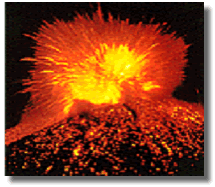
The Process of rock recycle tells us that every rock forms in different ways.First Magma comes out of the Volcano and known as Lava. When Lava cools down and solidifies by the time, it turns into Igneous Rock.Then by weathering the rock breaks into small pieces of rock which called sediments. After this process sediments moves by air or water which known as erosion. When erosion stops new rock forms called Sedimentary Rock. Sedimentary rock forms by Compaction and Cementation. After all Metamorphic Rock forms by 
heat & Pressure. When Metamorphic rock burial and go deep down near Magma by heat the rock starts to melt and turns into Magma. After all the process of rock recycle repeats and tell us that all rock forms in different ways. 

Rocks

Magma: Melted rocks inside of the volcano.


Lava: Melted rocks outside of the volcano.


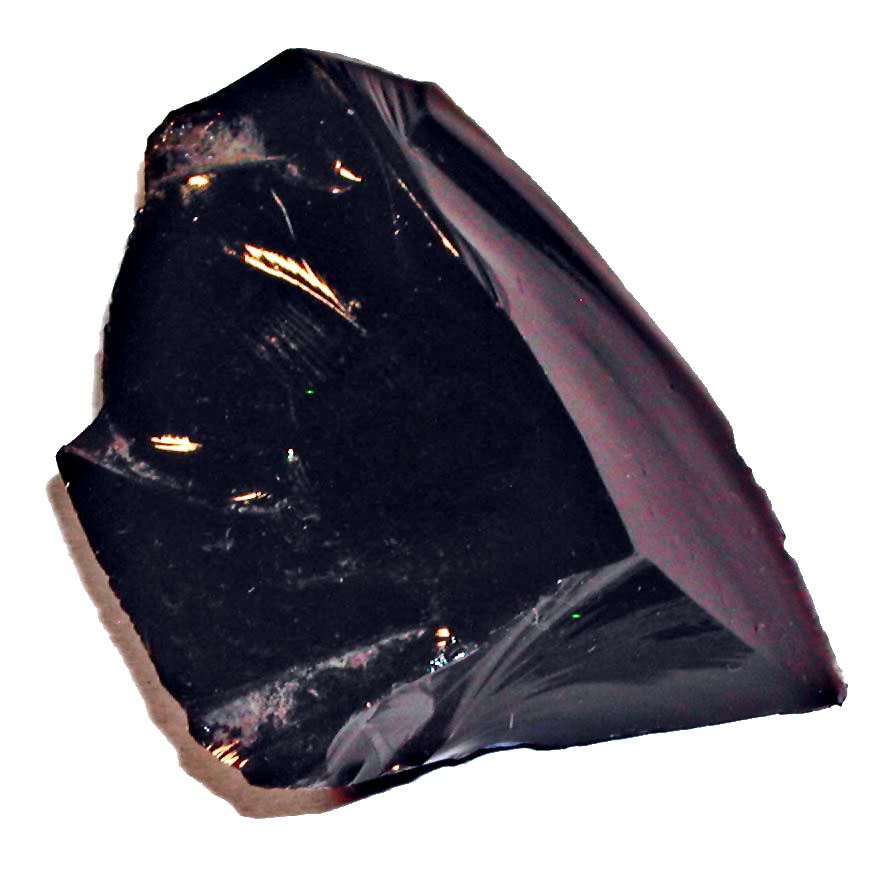
Igneous rock: Rock forms by the cooling of lava.


Weathering: A process that breaks rock into sediments.


Sediments: Small pieces of rock.


Erosion: Process that moves sediments.

Compaction: Sediments get together by the pressure.


Cementation: Process that get the sediments together by mud.
     

Sedimentary rock: Rock made by Compaction & Cementation.


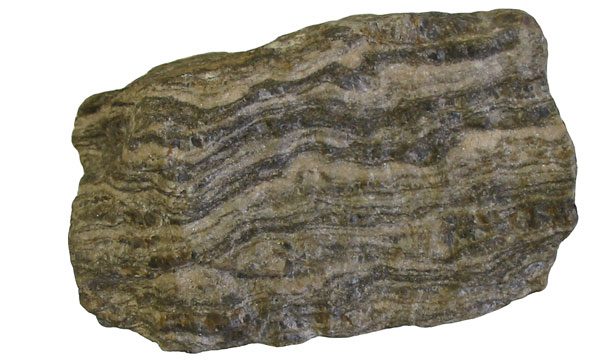
Metamorphic rock: Rock forms by the heat and pressure.


Rock Types


             Igneous Rock

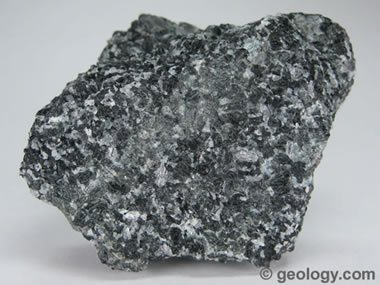
Intrusive, because it has big crystals.


Extrusive, because it has small crystals. 


Sedimentary Rock

  
Clastic, because its forms by Compaction & Cementation. 


Crystalline, because this rock forms underwater.


Bioclastic, because this rock forms by dead animal under the surface. (when animal compact together by the pressure)


Metamorphic Rock


 Foliated, because it has layers. 


Non-Foliated, because it does not have any layer.